

A statue or figurine can be purely decorative, deeply personal, culturally meaningful or somewhere between the two. That distinction is useful because the current ClassyArtZ collection does not follow a single theme. It includes Buddha statues, several Ganesha forms, Adiyogi Shiva pieces, an elephant mother-and-son sculpture, deer and jaguar figures, birds, human-face sculptures and other decorative objects. (classyartz.com) Indian ecommerce categories show the same broad split, with religious idols covering figures such as Ganesha, Buddha, Krishna and Shiva while decorative showpieces extend into animals, abstract forms and contemporary pieces. (pepperfry.com)
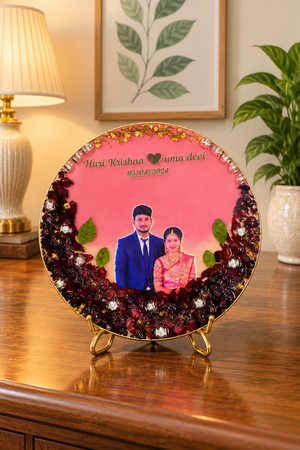
That gives you a better starting question than “Which showpiece should I buy?” Ask what you want the object to contribute. A spiritual figure may reflect personal faith or the atmosphere of a prayer space. An animal sculpture can add movement or personality without introducing a religious theme. A human-face sculpture can act more like a small art object. A family or pair figurine may carry an emotional or gifting dimension.
The right choice is therefore tied to meaning and visual identity, not simply the product category printed above the image.
A statue can look very different depending on where it sits. A piece placed on a wide console has room to breathe; the same object may feel crowded on a narrow shelf. A bedside table needs a different scale from a reception desk, while a pooja shelf may call for a different type of figure altogether.
Current Indian listings frequently position figurines across living rooms, bedrooms, office desks, pooja areas and car dashboards, showing how widely these products are used. (pepperfry.com) ClassyArtZ's own products mention similar settings, including living room, bedroom, office desk, pooja room and car dashboard use depending on the specific statue. (classyartz.com)
For the actual purchase decision, measure the height, width and depth of the intended surface. Then look at the figure from the angle people normally see it. A detailed piece deserves enough surrounding space to remain visually legible. A compact figurine can work inside a styled shelf with books, plants or smaller décor, whereas a larger statue often needs a clearer area around it.
The word “resin” covers a surprisingly wide visual range. A smooth painted polyresin Buddha does not create the same impression as a black-and-gold Adiyogi, an animal sculpture with a contemporary finish or a metallic-looking human-face figurine. Material and finish influence the object's weight visually, surface texture, colour response and relationship with the furniture around it.
The current ClassyArtZ range includes products explicitly described as resin, polyresin and metal, including meditating Buddha statues, Ganesha pieces, Adiyogi designs and decorative animal figures. (classyartz.com) Jaipur-based suppliers also show the breadth of resin décor, including marble-finish Buddha and Ganesha pieces, hand-painted polyresin figurines and metallic-finish Buddhist statues. (littleindiajaipur.com)
For a calmer interior, surface finish and colour may matter more than intricate detail. In a room with neutral furniture, a darker sculpture can create contrast. In a heavily decorated space, a simpler silhouette may sit more comfortably. Reading the material and finish before ordering also prevents the common mistake of choosing from a thumbnail without understanding what the surface will actually contribute to the room.
Religious statues deserve a different buying thought process from purely decorative figurines. A Buddha, Ganesha or Adiyogi can be selected because it has personal or spiritual meaning, while an animal, bird or abstract sculpture may be chosen primarily for its form. The two can exist in the same home, but their placement does not have to follow the same logic.
For devotional pieces, follow your household's own traditions and preferences about where a particular deity or spiritual figure should be placed. Search results around Ganesha and other religious idols often include traditional guidance about posture, direction and placement, but those are matters of religious or Vastu tradition rather than universal interior-design rules. Current 2026 coverage also highlights that buyers consider the idol's form, posture and material when choosing a Ganesh idol for the home. (timesofindia.indiatimes.com)
Decorative figurines are more flexible. A deer, swan, jaguar, crane or human-face sculpture can be selected mainly for the visual role it plays in a shelf, console, desk or cabinet.
That distinction makes online shopping clearer: decide first whether the figure is part of your spiritual practice, your interior styling, or both.
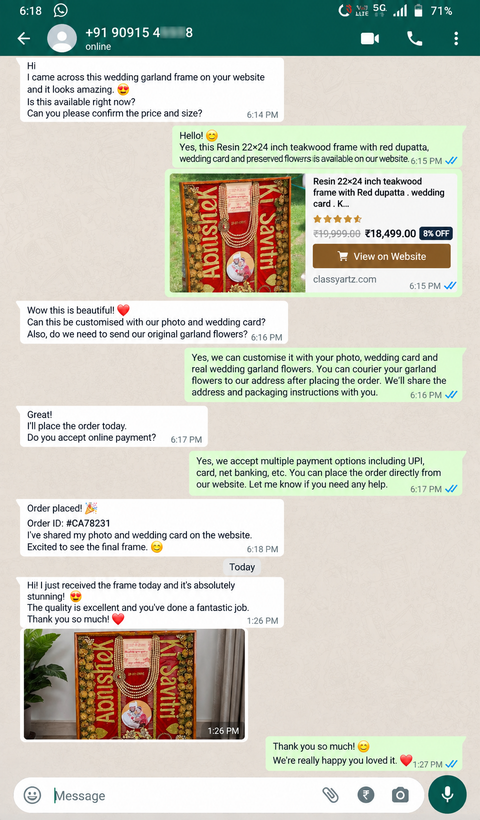
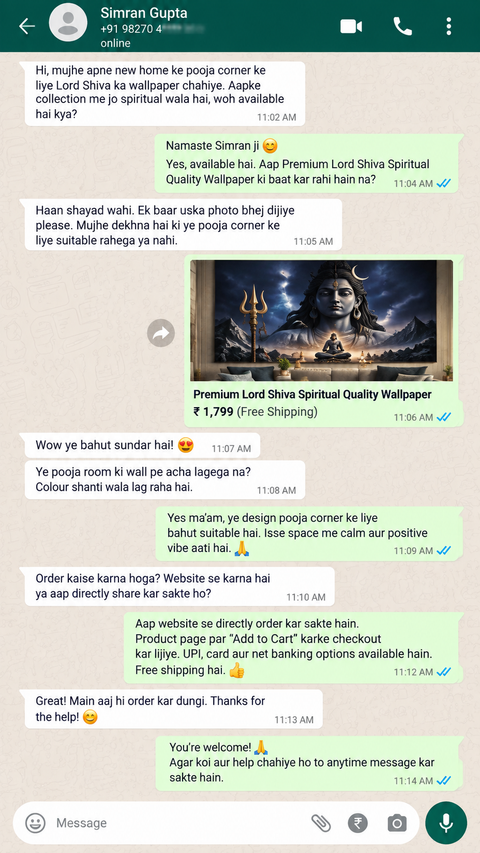
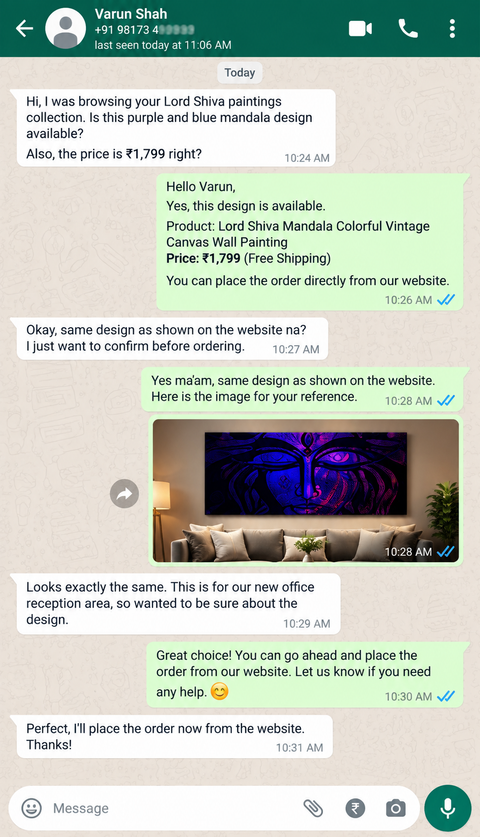
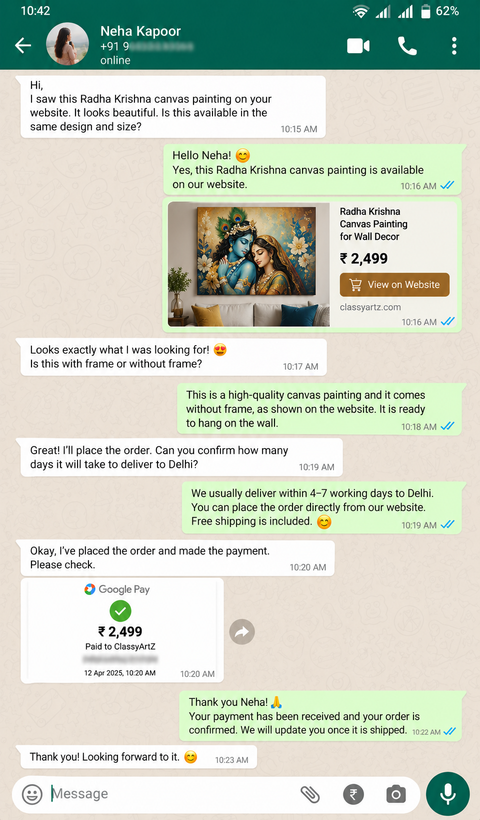
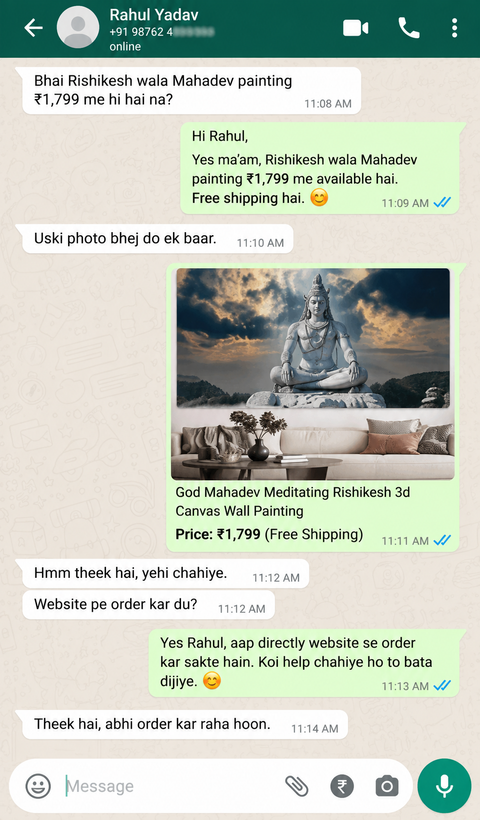
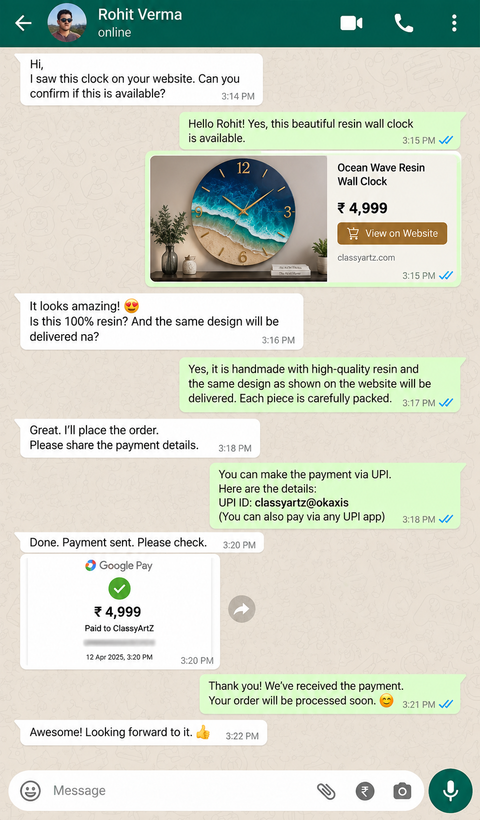
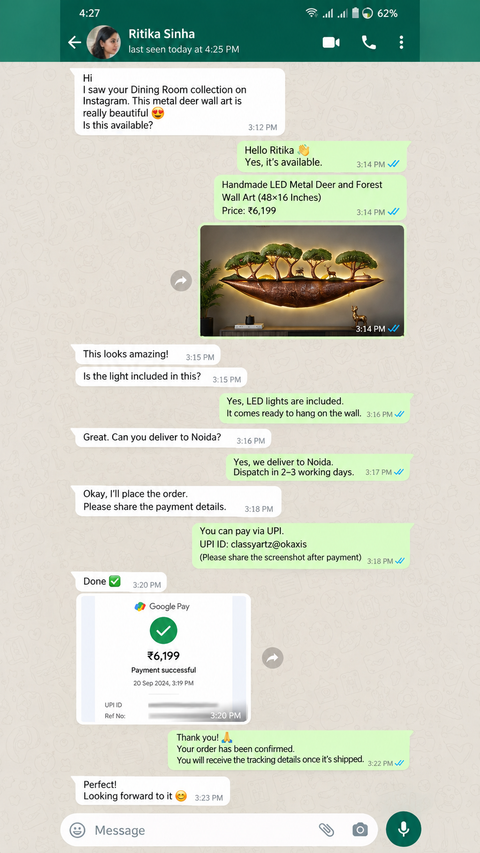
Real customer feedback & unboxing chats
See what our verified buyers say about products in this category.
NEED HELP?
Find quick answers to common questions about our products, shipping, custom orders, and returns.